

The last meeting of project NEUTRALPATH combined participatory planning tools, turning exercises into practical, actionable knowledge
What happens during a project meeting? Often seen as routine milestones they happen to be predictable, and sometimes tedious to report. In Ghent, however, NEUTRALPATH partners, experts, and city representatives worked side by side through project challenges, using interactive tasks to advance the transition toward positive clean energy districts (PCED).
“Looking back at the partner meeting, I’m encouraged by how quickly collaboration is growing. These three days showed how much we can achieve when partners, experts, and local actors work side by side. Step by step, we’re shaping the knowledge and trust cities need to move toward climate-neutral districts.” Roeland Keersmaekers, Project Manager, City of Ghent
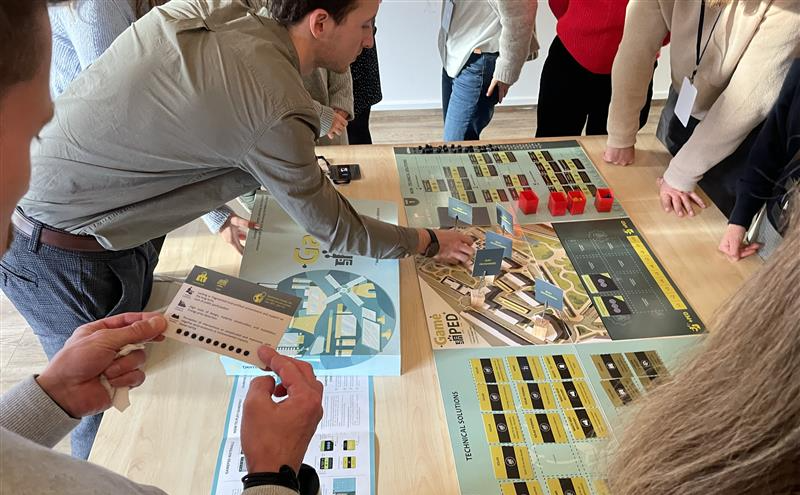
As a key concept behind the entire NEUTRALPATH project meeting, collaboration started with the first activity led by project partner DEMIR: all participants were introduced to the “PED Game” by trying it. This serious board game on Positive Energy Districts (PED) has been designed to help cities explore decision-making scenarios by involving people early in the planning process.
The focus on participation was further explored by Architecture Workroom Brussels with the introduction of the PED Toolkit, “Powering the energy transition at the district level.” During a short role-playing exercise, a handful of partners stepped into local stakeholders’ shoes and lobbied for different interests and expectations about the new football pitch structure, a key component of the heating network in the Standaard Muide district.
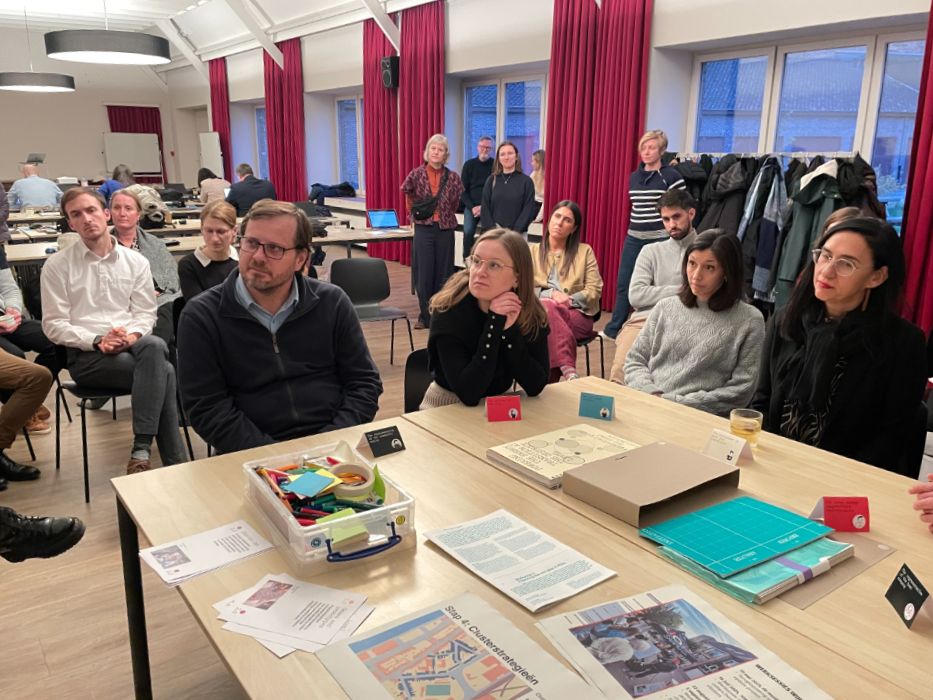
This exercise encouraged partners to look at the energy transition not only as a technical shift but as a collective learning process in which local values, habits, and decision-making cultures play an equally important role.
A closer look at this local district case followed, supported by the experts Hannelore Scheipers, Tinne Snoeijs, and Hanne Mangelschots from the living lab Muide-Meulestede Fossil Free. Their reflections on the technical, financial, and governance challenges of building a district heating network framed a capacity building workshop organised by project partner EUROCITIES.
Supported by a wider European learning from representatives of sister project ASCEND, all participants worked together to offer recommendations on accelerating renewable heat uptake, defining balanced financial models and setting transparent governance approaches.
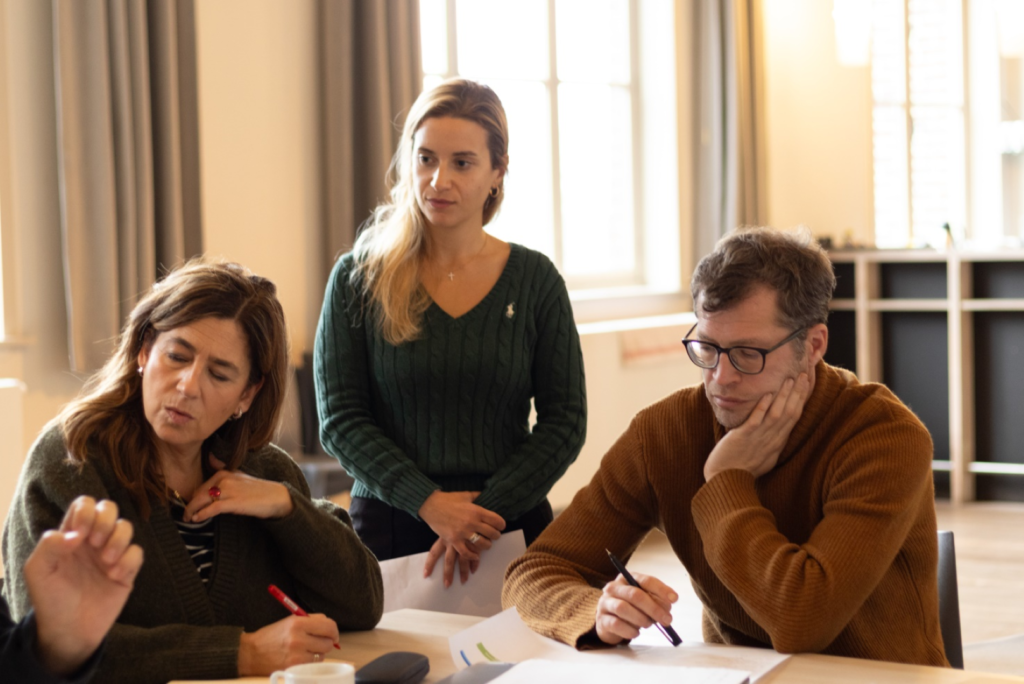
“Following the in-person sessions in Istanbul and Zaragoza, the capacity-building session in Ghent brought together NEUTRALPATH project partners, European experts, and local stakeholders to jointly address key challenges related to district heating and cooling. The replication-oriented workshop combined insights from city experiences, expert recommendations, and local best practices. The outcomes will be consolidated into the NEUTRALPATH Learning Materials Toolkit and will be further discussed in the upcoming sessions with the participating cities.” Stefania Mascolo – Eurocities
Another cornerstone of the climate neutral labs (CN-Labs) led in all NEUTRALPATH pilot cities is social readiness and it was also explored through a cooperative session, in Ghent. The Urban Portrait framework methodology, developed and presented by partner Three O’Clock, leader of CN-Labs, provides a holistic representation of how a city functions as a complex system from a social perspective. Partners from the fellow cities of Vaanta, Istanbul and Ghent embraced this concept and reflected on its key elements: trust, participation, governance, economic capacity, and cultural readiness.
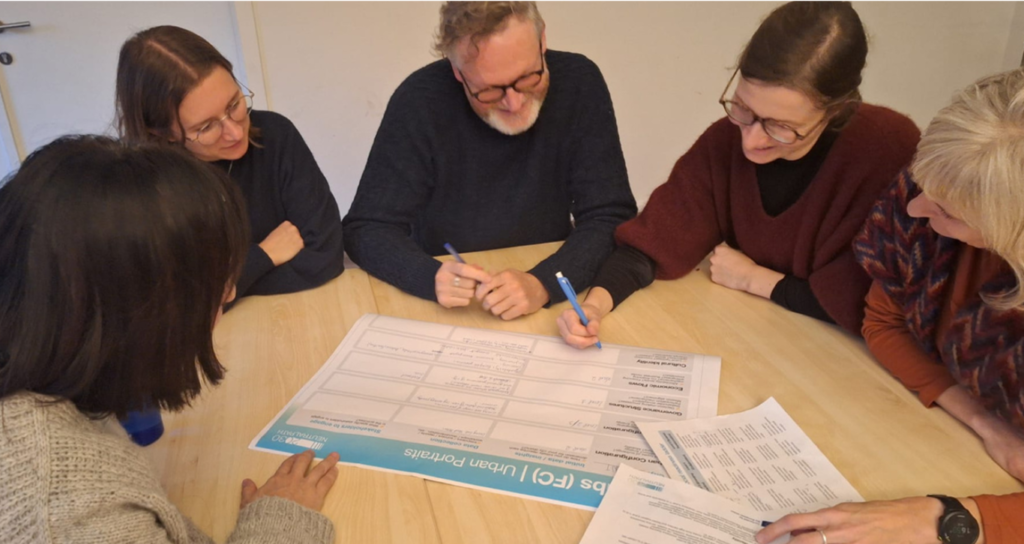
The session led by the partner Three o’clock and Tecnalia, leading project partner for the positive and clean energy districts (PCED) replication framework, revealed key improvement areas in governance structure and cultural identity. Each working group worked along with experts to reflect on the value of stakeholder mapping and targeted data collection methods (eg. surveys, interviews, workshops) as foundations for effective co-creation and engagement.
The NEUTRALPATH meeting in Ghent showed once more that the energy transition should always keep a wide negotiation frame, considering people needs, financial hurdles and infrastructural challenges on the pathway to reach climate neutrality. The tools tested in Ghent will all contribute to more confident and informed cities, ready to replicate climate-neutral solutions.